Porsche Mission S in front of Manhattan Skyline. Photo Credit - Motor1
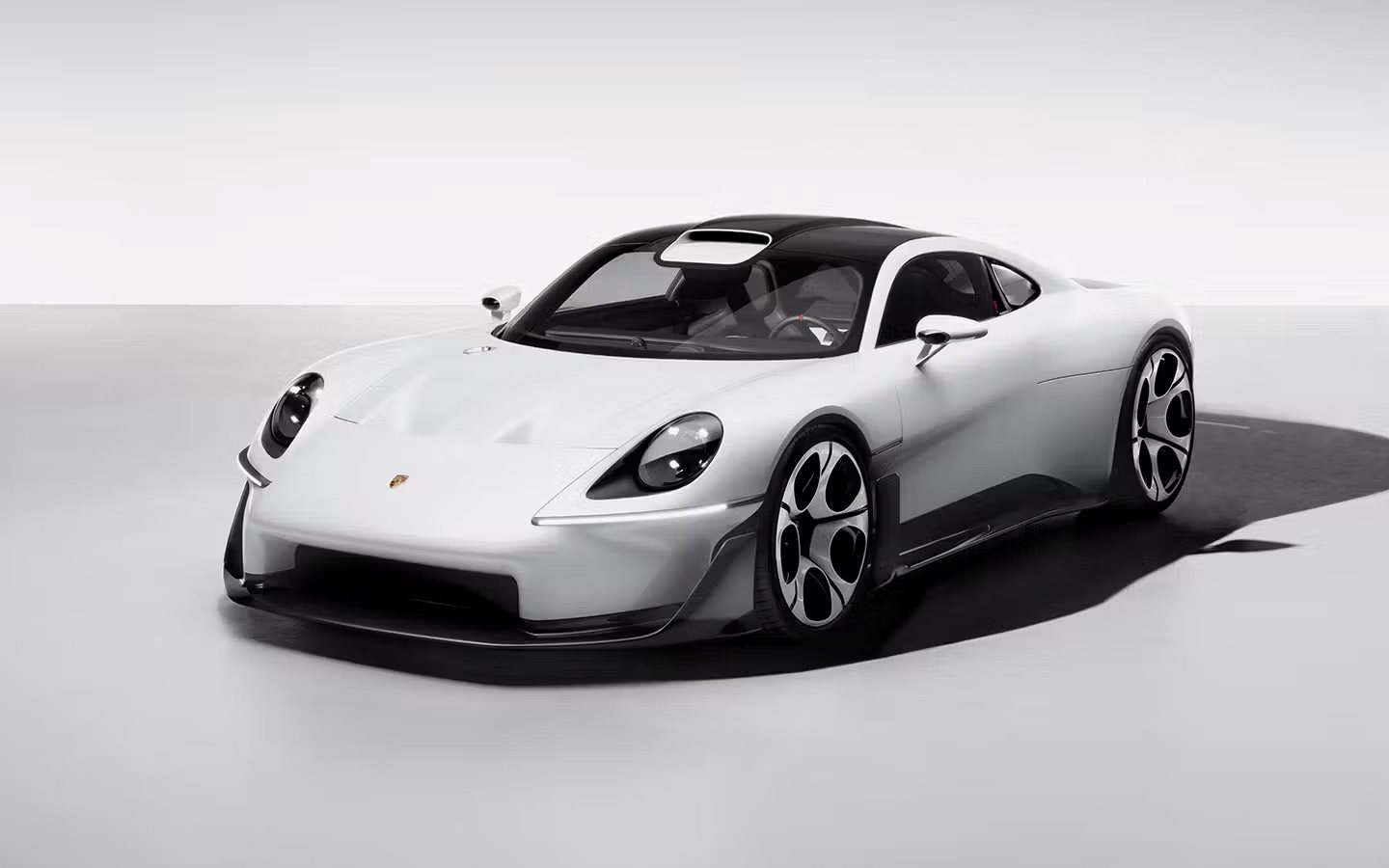 Porsche Mission S Front View. Photo Credit - Porsche
Porsche is having their cake and eating it too. That’s the goal, at least. They seem to understand better than anyone else the power of limited-run, enthusiast-aimed models, churning out 911 special editions on an almost yearly basis and cashing in on 60 years of heritage, engineering, and cultural following. Allocations sell out nearly every time, and in most cases appreciate in the used market, like 2023’s 911 S/T almost doubling in value since its release. Despite the runaway successes Porsche seems to be able to generate on top of the 911 platform, they seem to be hungry for even more. With the recent release of the Mission S, Porsche has put their golden child in a bit of an awkward position: Can they continue to exploit the 911’s prestige if it’s no longer the brand’s top dog? Clearly, they’re hoping the answer is yes.
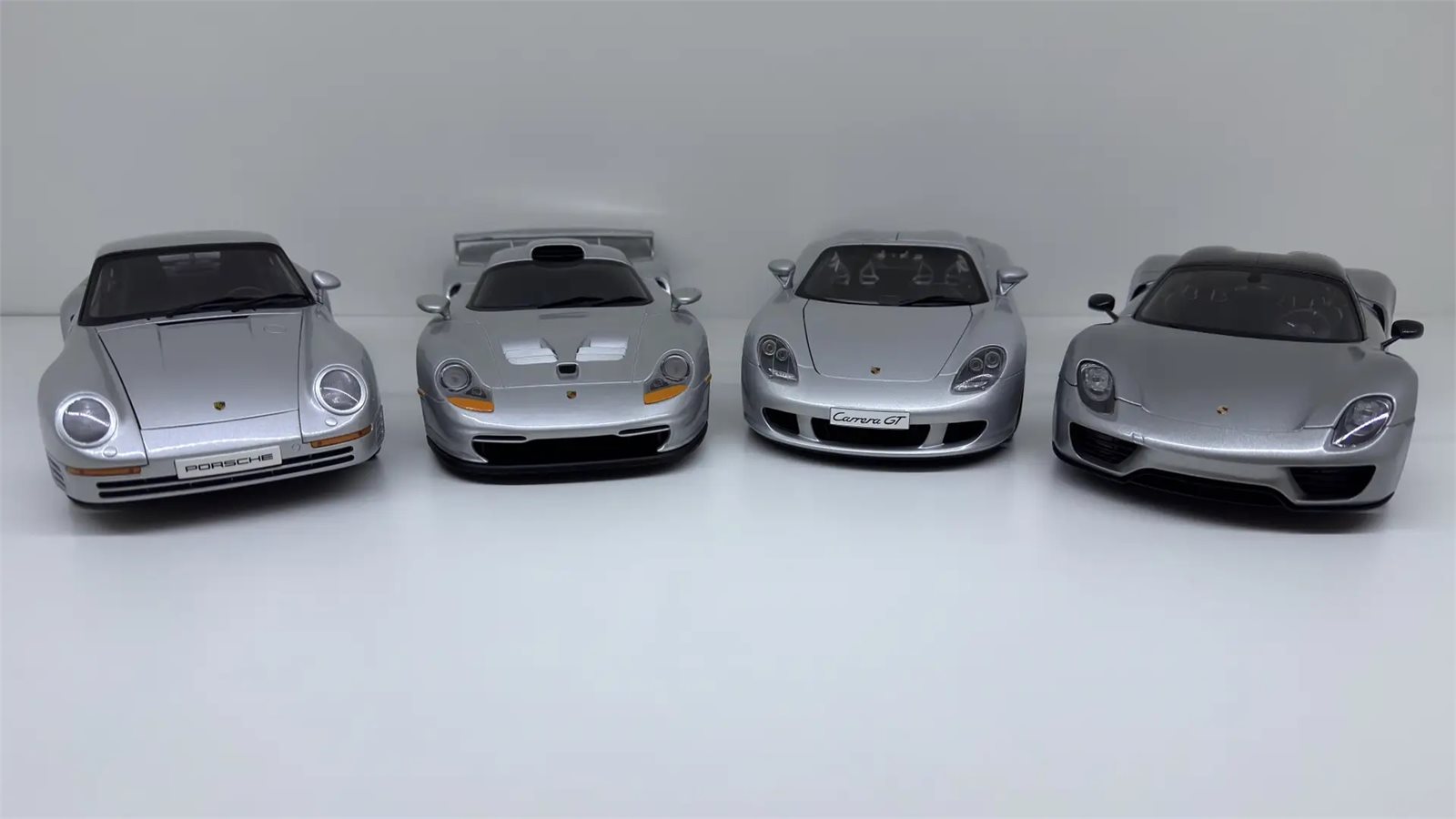 Porsche Halo Car Diecast Models. Photo credit - DiecastXChange
This isn’t Porsche’s first attempt at a halo car. In fact, their past successes in the supercar & hypercar realm are exactly the heritage they aim to draw on to legitimize the Mission S. Design-wise, the Mission S carries many hallmarks from Porsche’s past, with the low, flat nose of the GT1 Le Mans racer, the roofline from the innovative and record-breaking 959, and the rear cooling fan from the legendary 917 that dominated endurance racing. Even the reveal location of the Mission S has historical significance, nodding to a famous photograph of the 550 Spyder, a lightweight ‘50s racer that Porsche calls their first super-sports car. The intent, of course, is to marry Porsche’s past with their future in what they say will be a permanent fixture in the lineup. But what exactly makes the Mission S concept different from their past supercars, and what makes it deserving of a long-term stay in Porsche’s catalog?
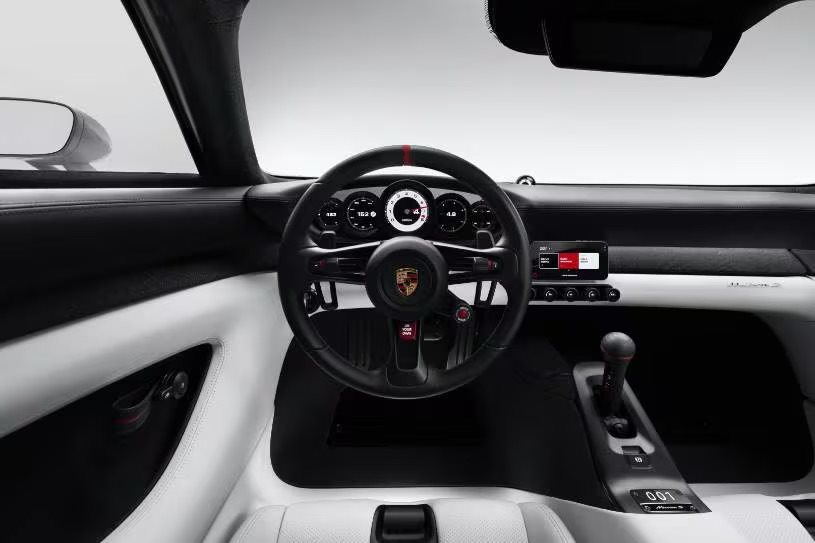 Porsche Mission S Interior. Photo credit - Edmunds
We’re at a point in the 2020s where specs have never mattered less when it comes to a new supercar release; EVs and hybridization have made it easier than ever to cross the thousand-horsepower threshold. And at that point, does the speed even matter? Porsche is betting it doesn’t. The Mission S is not expected to be slow, not by any means, but it’s clear even without knowing drivetrain specs that Porsche wants us to think speed is not their main goal, instead it’s driver engagement. They chose to show the car’s interior and exterior first, with statements of intent aimed directly at drivers, not internet spreadsheet warriors. That alone says a lot about how Porsche want the Mission S to compare to its contemporaries. As has been the trend among high-end supercars in the past couple years, a return to analog, feelsome driver experiences is starting to take priority over lap times and acceleration. Looking at the interior, it’s clear Porsche takes this return to simplicity seriously, with a simple cockpit layout featuring an array of classic digitized Porsche dials, a notable lack of central infotainment screens, and a button marked “On Your Own” which instantly turns off all driver aids. And while there are obvious paddle shifters behind the steering wheel, the center console is dominated by a familiar-shaped Carrera GT-esque shift knob, suggesting the Mission S might feature a simulated manual, not dissimilar from Ferrari’s 12Cilindri Manuale or Koenigsegg’s CC850. While we know very little about what’s actually inside the Mission S, Porsche’s intent is incredibly clear from what they’ve shown us: a simple, driver focused interior, and a heritage proudly shared with some of the greatest drivers’ cars and racers the world has seen, and a permanent place in Porsche’s showrooms. The people in Stuttgart mean business, and they’ve outwardly rejected many of the pitfalls that have plagued modern supercars.
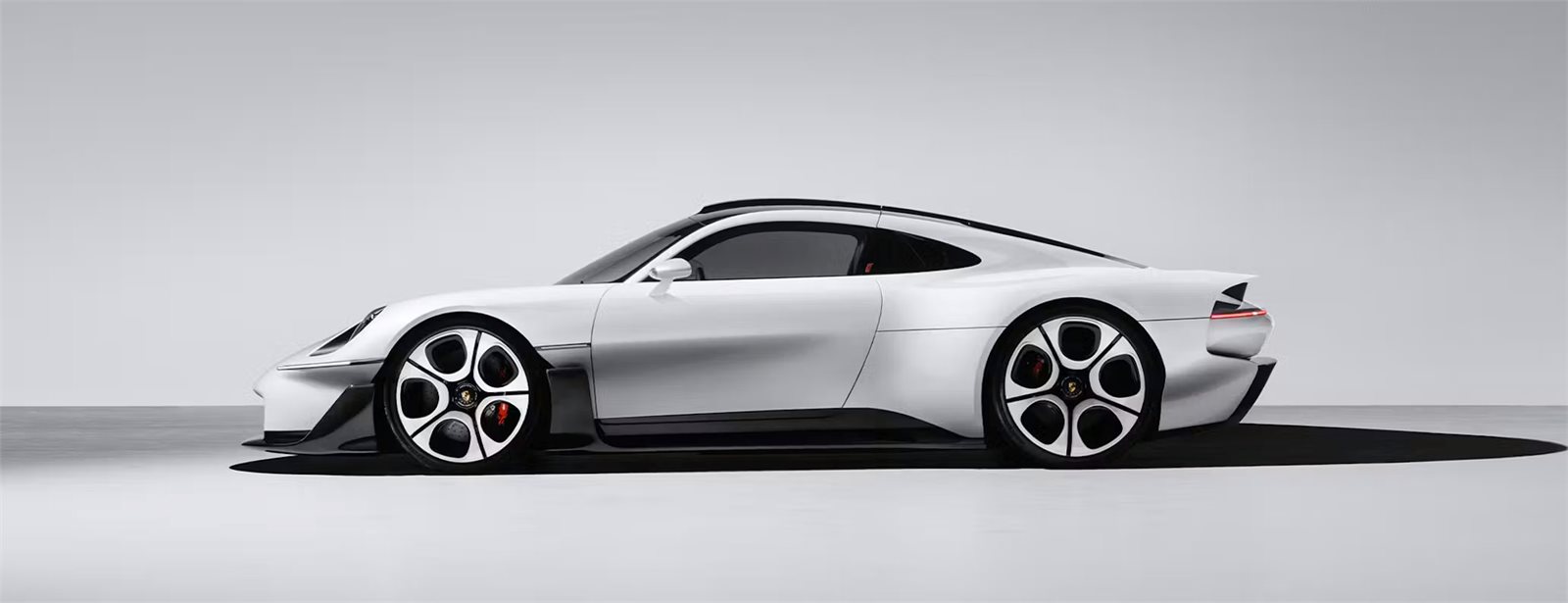 Porsche Mission S Side Profile. Photo credit - Porsche
It’s not crazy to predict that the Mission S, when it eventually goes on sale, will be a huge success, carrying the momentum of the past decade of 911 special edition sales. But it’s for that very reason that you have to wonder, would Porsche risk cannibalizing their most significant models’ sales with a new nameplate slotting above it? While they’re no stranger to introducing independent limited-run models at the top of the Porsche ladder, none have stuck around longer than a generation, handing the crown back to the 911 at the end of their reign. This includes the aforementioned 959, Carrera GT, and 918. Between the 918 and Mission S, Porsche tried their hand at the Mission halo car once unsuccessfully, with the ill-fated Mission X concept. The fully electric hypercar didn’t resonate enough to warrant production. The pivot from Mission X to Mission S is both indicative of the supercar market’s direction and also of Porsche’s intent to remain a driver-centric marque.
Since its inception, the 911 has defined Porsche’s road-going lineup. The Boxster & Cayman have always been regarded as baby 911s, the Macan and Cayenne applauded for carrying the 911’s sporty chops into big SUV bodies, even their electric efforts, like the Taycan, are compared to the 911 just to justify their existence. The 911 is Porsche’s golden goose, the eternal sports car that just keeps evolving, never dropping out of the cultural zeitgeist. If Porsche is to give up the 911’s crown for more than just a few model years, it must be for a good reason.
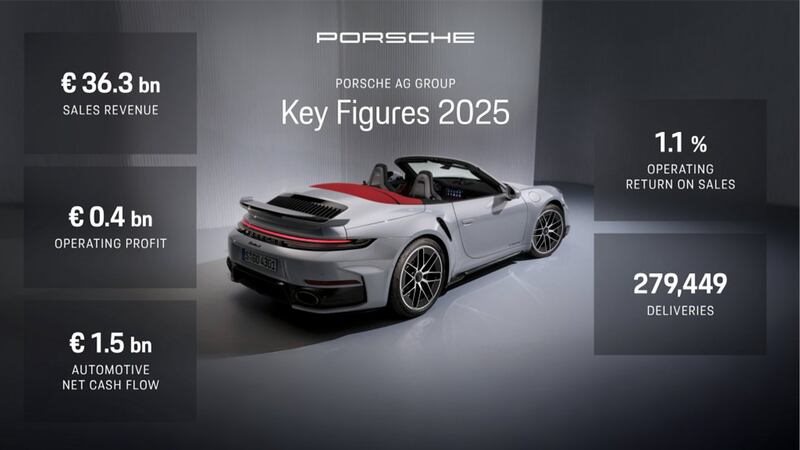 Porsche 2025 Financial Report. Photo Credit - AutoNews
Earlier this year, Porsche reported a sharp downturn in their operating margins for 2025 (hitting a low of 1.1% down from 14.1% the previous year), following slow EV adoption, drops in the Chinese market, and US tariffs. They’ve since recovered a portion of their margins in the first half of 2026, however the dip in ‘25 is indicative that the brand is in need of something new to keep their books happy. The reveal of the Mission S concept coincided with a series of statements from CEO Michael Leiters, essentially announcing a shift in strategy to move Porsche upmarket in light of declining shipments. As part of the “Sportwagenschmiede ‘35” strategy, a long-term push to return Porsche’s operating margins to 15% by 2035, Porsche wants to trade sheer sales volume for profit-per-sale. Crucially, this strategy outlines a permanent supercar to sit above the 911.
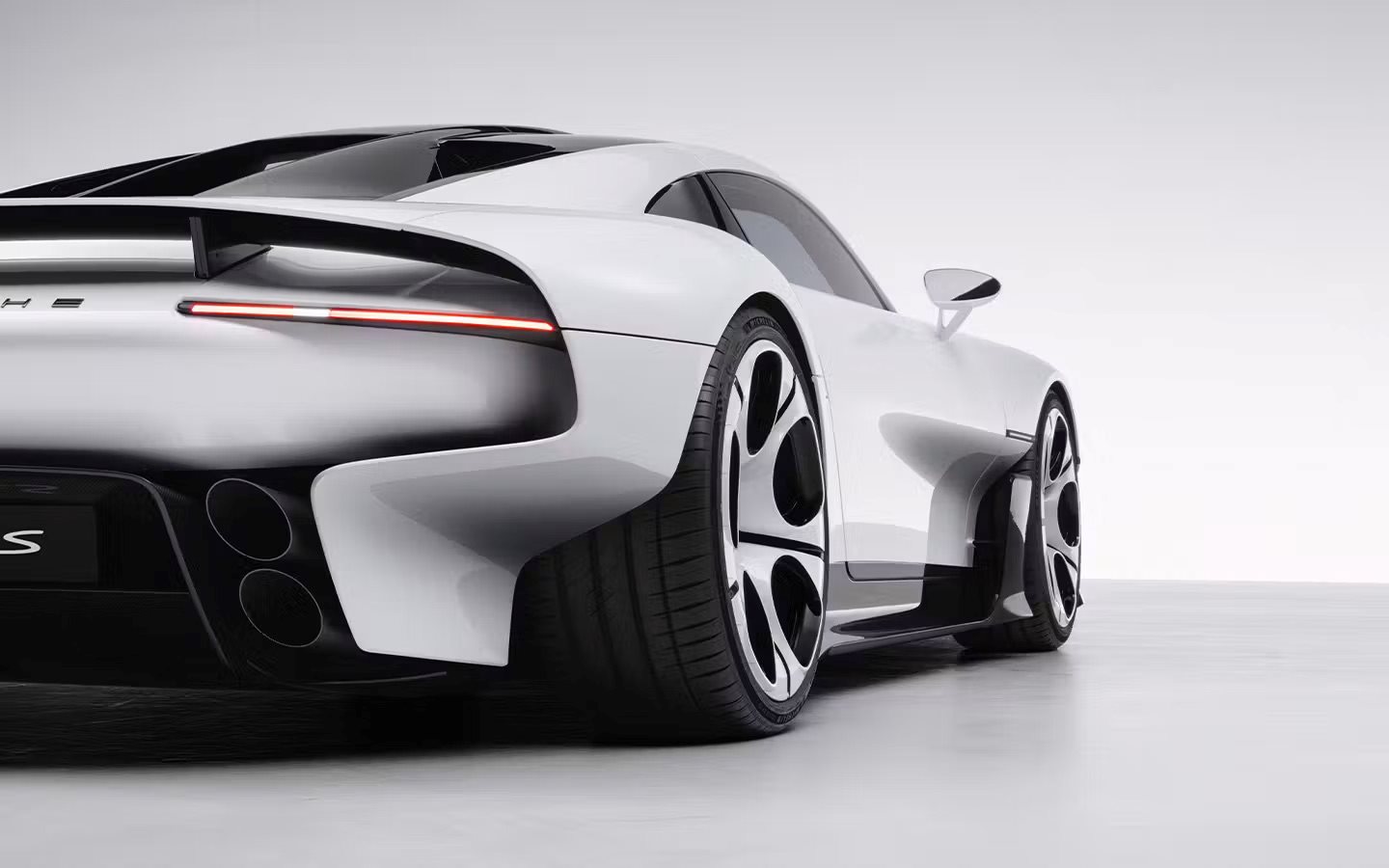 Porsche Mission S Rear. Photo credit - Porsche
Despite the 911’s continued success, the iconic model seems to have reached a theoretical ceiling in the past decade. Turbo S models have been embarrassing bona fide supercars for years now, yet can’t seem to escape the “real supercar or not” debate. A common argument is that a car must be classed by its base model, therefore a Turbo S must answer to the fact that a base Carrera is definitively a sports car, not a supercar. That same ceiling applies to any 911, so cars like the massively appreciated S/T fall victim to the sports car classification despite costing more in the used market than many new supercars. The prestige that comes with these used-market wins is great for Porsche’s PR, but none of the appreciation reaches Porsche’s books after a 911 leaves the dealership. They’re clearly in need of something new that doesn’t pile further on the already large mound of special edition 911s. With the Mission S, Porsche might be hoping they can lay to rest the 911’s eternal supercar identity debate, allowing the new halo car to take that mantle instead. They likely hope to keep 911 owners from defecting to Maranello or Woking once they’re ready to spend more than $300k, and to finally get Porsche onto Ferrari and McLaren buyers’ shortlists. To those asking what makes the Mission S a supercar when the 911 isn’t, well, maybe it’s just what Porsche says. In a world of high-performance cars where specs have never mattered less, maybe a supercar is all about intent. Whatever makes a supercar, for Porsche it might just be what lets you charge supercar money.