Huracán, was originally a Spanish fighting bull in the late 1800s who was known for his ferocious attacking spirit and tenacious character. Huracán also translates to Hurricane in Spanish referencing the ancient Mayan God of wind, storm and fire. The raging bull was distinguished enough to have Lamborghini name a car after him as part of their tradition of naming cars after fighting bulls. This was the birth of the Lamborghini Huracán. After 10 years, The Lamborghini Huracan lineage has finally come to a close with the succession of the Temerario. There were 2 generations, and 17 different road-going models released. Here is a full timeline and description of the entire road-going lineup of arguably the best “baby lambo.”
The first generation of the Huracán was released from 2015 to 2019. This included the LP610-4 (the all-wheel drive version) and the LP580-2, (the rear-wheel drive version). The LP designation stands for Longitudinale Posteriore; meaning the engine is mounted lengthwise in the mid-engine position. The 3-digit number represents the horsepower of the car, and the last number is the number of wheels power is sent to. The rear-wheel drive version, (LP580-2) had 30 less horsepower than the all-wheel drive version (LP610-4).
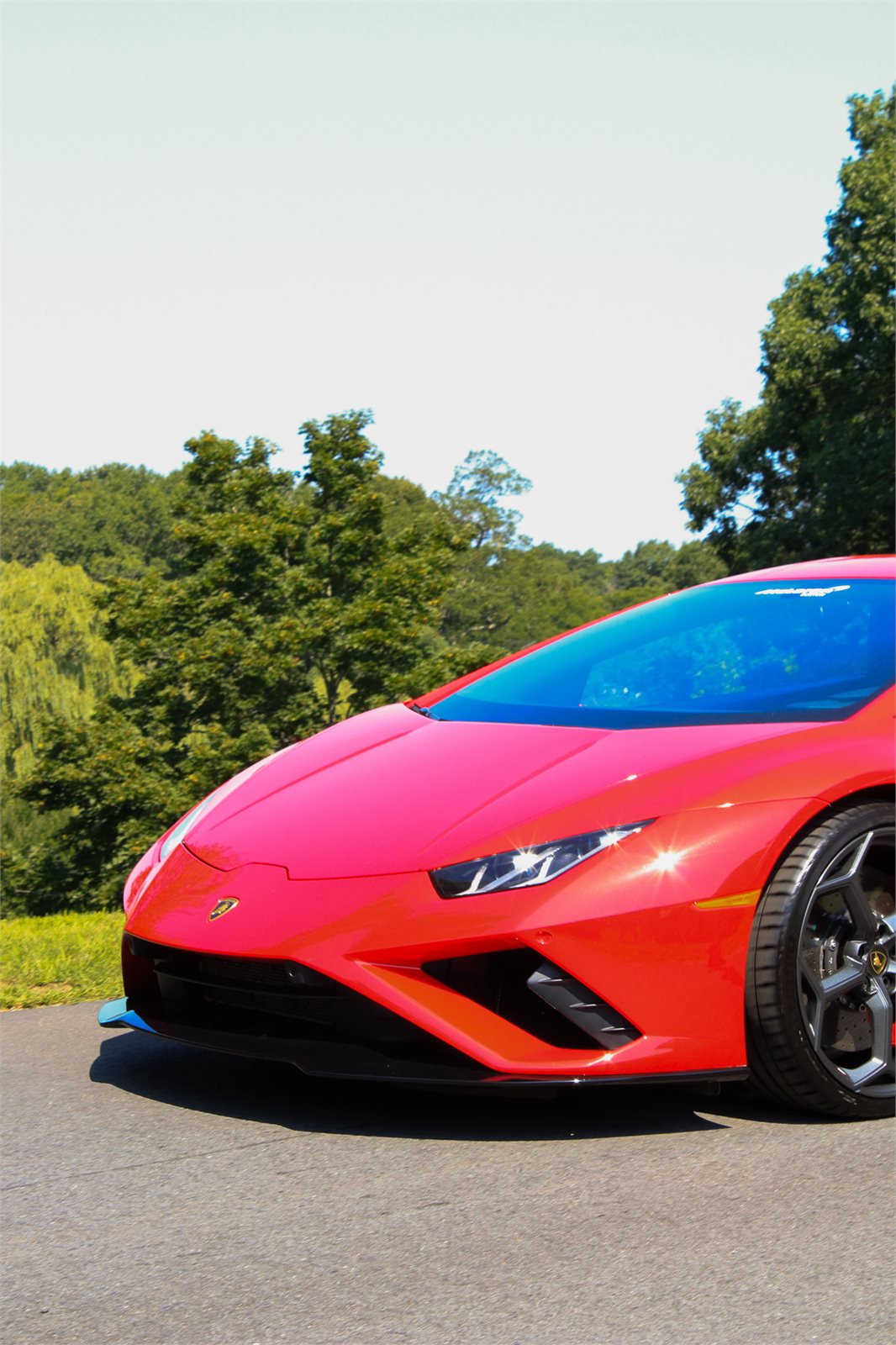 First Generation LP610-4
Two special edition Huracán’s were made during the first generation's production run. The first was the Avio which was not mechanically changed. The differences were aesthetic which included the Italian Air Force inspired liveries along with unique color options. The interior was fitted with a unique “L63” embroidery, signifying the age of Lamborghini as a company. There were only 250 examples produced of the Huracán Avio.
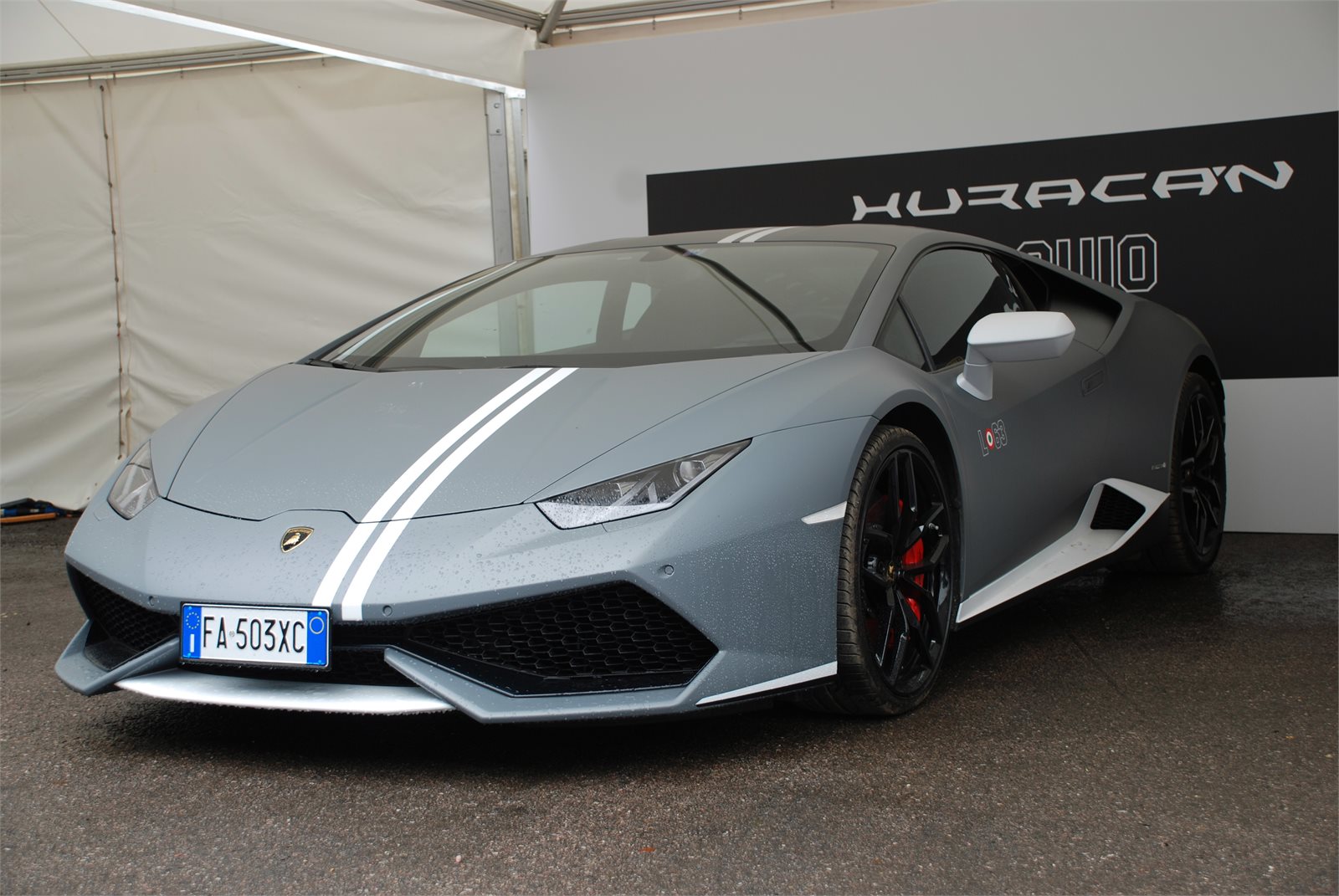 Huracàn Avio
The second special edition, first-generation Huracán was the Performante, which was extremely well received. The Performante was the track-focused version of the Huracan, released in both a coupe and spyder version. The car was almost 90lbs lighter and made approximately 20 more horsepower than the original. It was the first Lamborghini fitted with active aero, which was named Aerodinamica Lamborghini Attiva (ALA). The active aero included electronic flaps to stall the rear wing under braking and for high speed corners. The active aero also included aero vectoring, meaning independent downforce could be applied to each side depending on the direction of a turn. The flaps changed in under 500 milliseconds. The Performante solidified its legacy by breaking the Nordschleife Nürburgring record in 2017 with a time of 6:52:01.
 Huracán Performante
In 2018 the second generation of the Huracan was released, branded as the Huracán EVO. The EVO generation came with a horsepower boost to 640 horsepower, and added rear-wheel steering to improve handling, which was a weak point of the original Huracán. The second generation was also sold in a rear-wheel and all-wheel drive version as well as coupe and spyder versions. The designation was the LP640-4 and LP640-2.
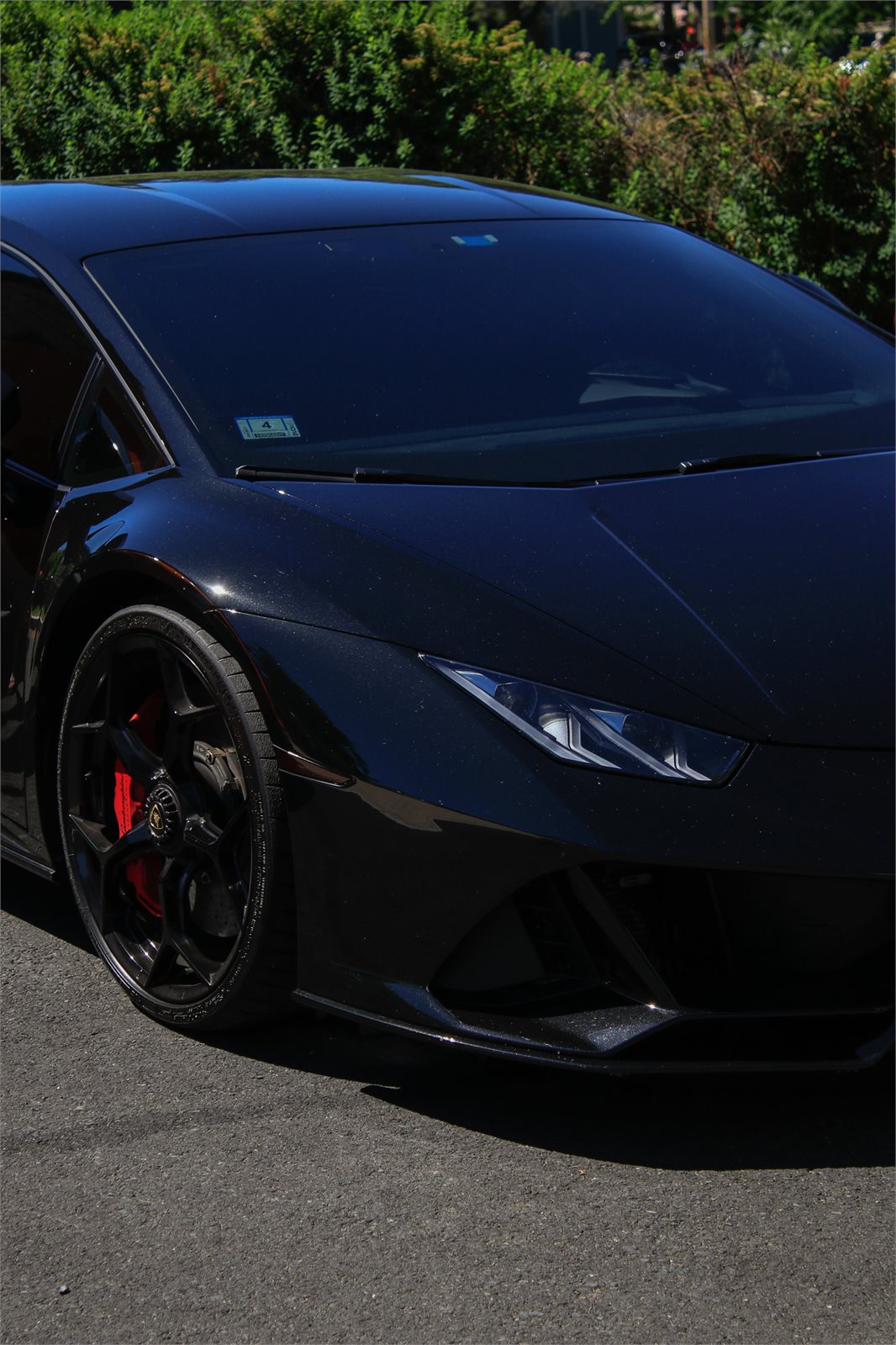 Huracán EVO
The EVO generation came with four special edition versions. The first was the Huracán EVO GT Celebration, released in 2019. This special edition was made to commemorate the back-to-back wins at the 24 Hours of Daytona and 12 Hours of Sebring. Only 36 examples were made to signify the 36 hours of racing from the two events. The doors and front hood also display the number 11, which was the racing number for the Grasser Racing Team that won both races. The livery and interior designs are both inspired from the actual race cars.
 Huracán EVO GT Celebration
The second was the Huracán STO, (Super Trofeo Omologata), released in 2020. This was another track-focused version of the original Huracán. The STO was dramatically different from the EVO however, featuring bodypanels made almost entirely of carbon fibre and carbon ceramic brakes. The front hood is named the Confango, which is the combination of the Italian words: cofano (hood), and parafango (fender). The STO has three performance modes; STO (normal), Trofeo (track) and Pioggia (rain). The shark fin is also quintessential to the STO’s design and also helps stabilize the car at high speeds. The STO was also the lightest of any Huracán produced.
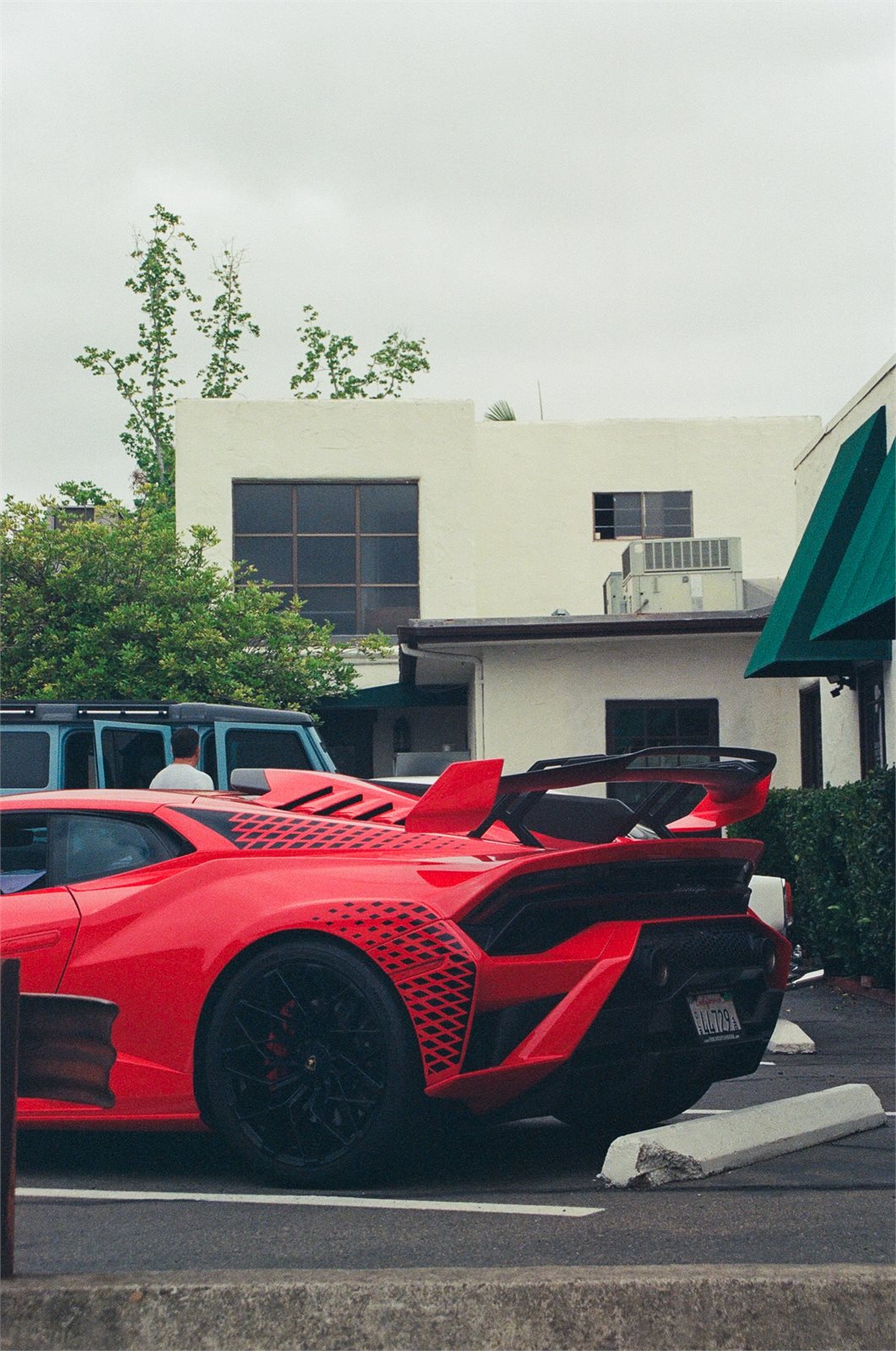 Huracán STO
The third was the Huracán Sterrato, released in 2022. The Sterrato was the most unique special edition Huracán released over the 10 year period. The Sterrato was designed specifically for offroading and overlanding. Sterrato is an Italian word meaning dirt road or unpaved field. A special rally mode is featured engineered for loose gravel and off road courses. The Sterrato was made to pay homage to the tractor heritage of Lamborghini which is originally how Feruccio Lamborghini made his fortune.
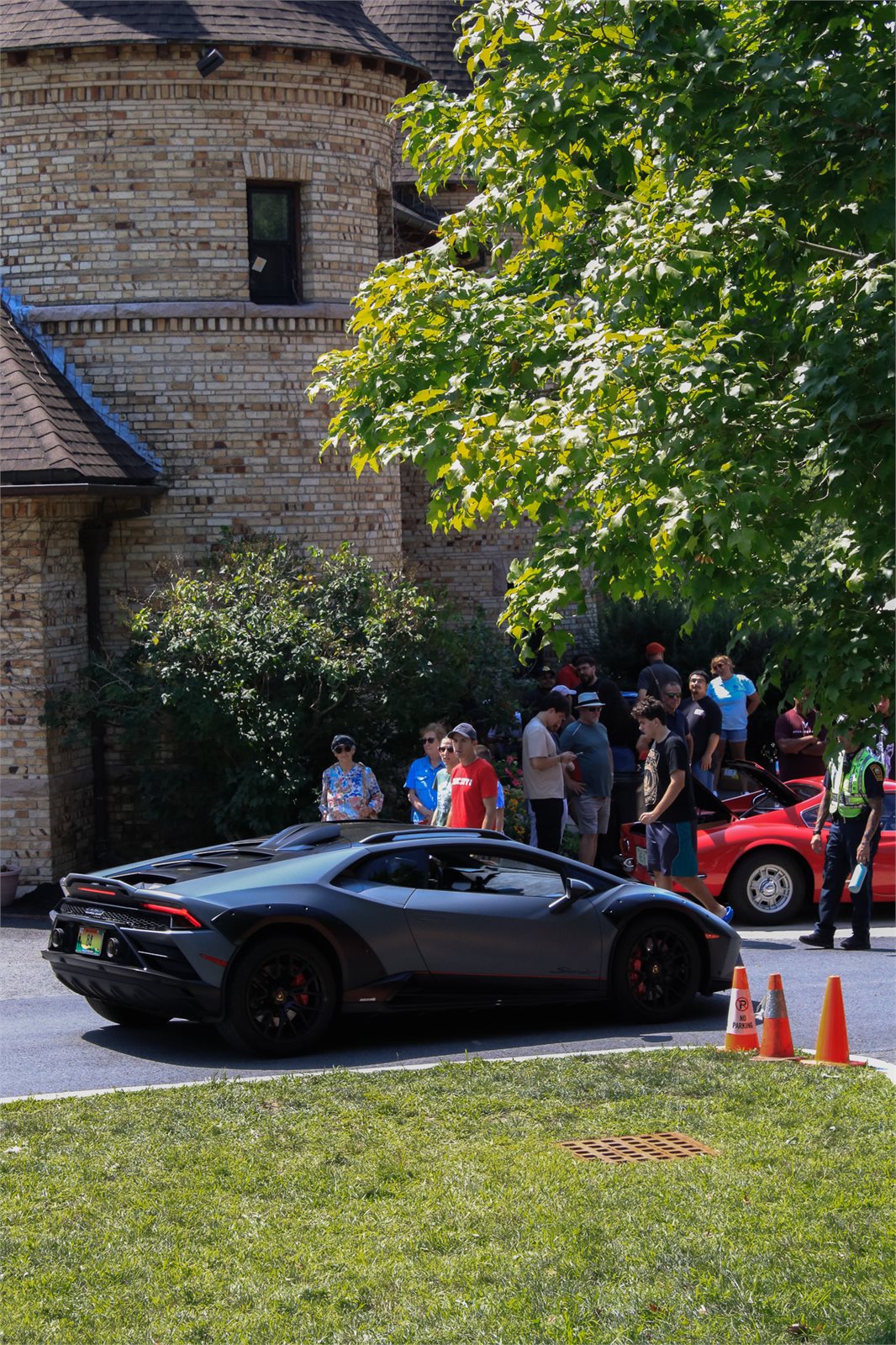 Huracán Sterrato
The fourth and final special edition was the Tecnica, released in 2023. The aerodynamics generate 35% more downforce and reduce drag by 20% compared to the standard Huracán EVO, and measures 6.1 centimeters longer. The Tecnica was made to bridge the gap between the EVO, and the ultra track-focused STO, and is the second lightest model of the Huracán released only to the STO.
 Huracán Tecnica
This concludes the legendary lineage of the Huracán and serves as a proper farewell to the 5.2L naturally aspirated V10 featured in every car. The raging bull Huracán lives on forever in the tenacious and ferocious spirit of the baby lambo we know and love today.