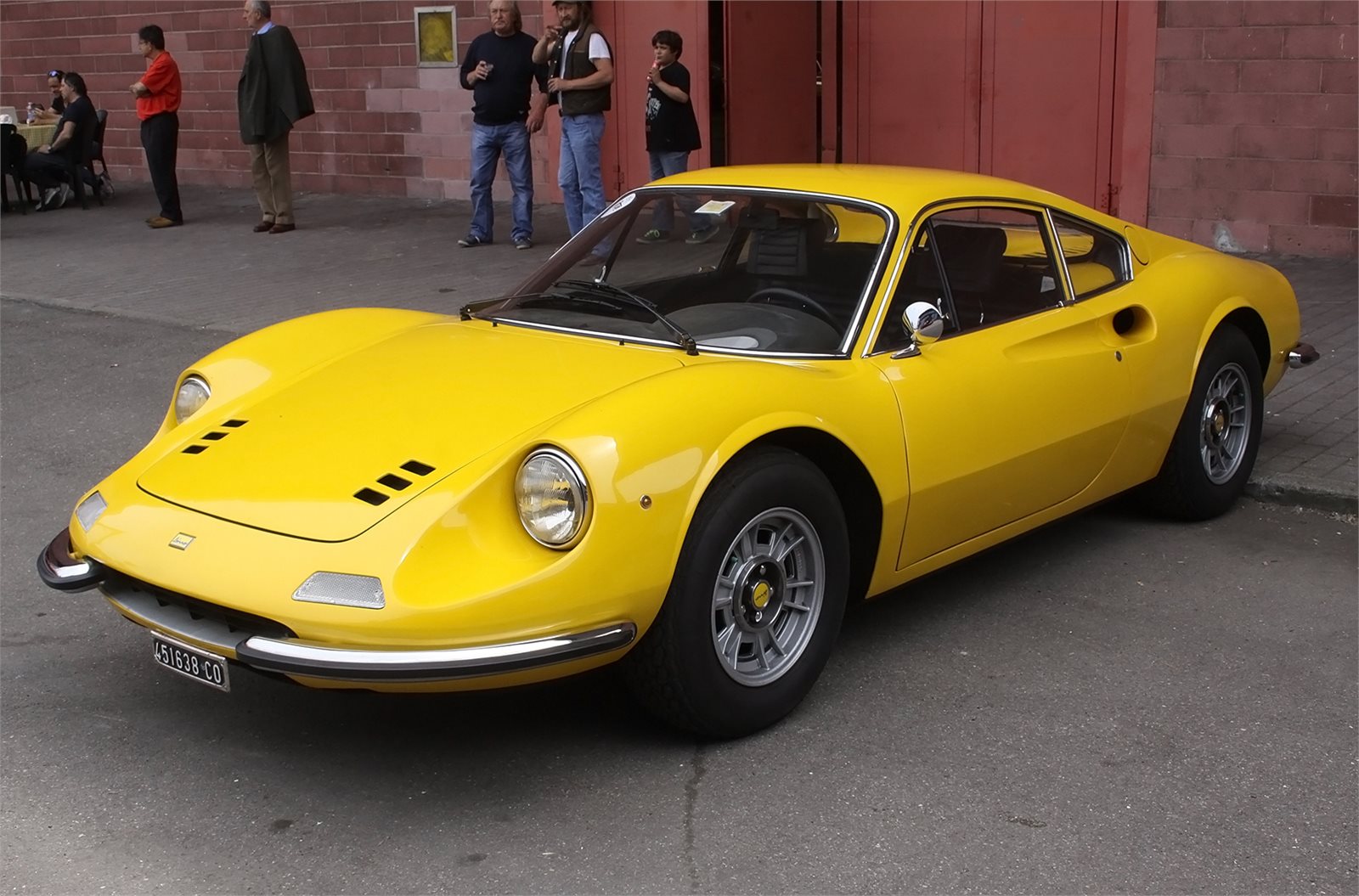
The quintessential Ferrari sportscar we know today was not present in the genesis of the brand. For the first nearly 25 years of Ferrari’s history, their road-going cars were front engined, rear wheel drive tourers and sportscars with manual transmissions and the consecrated Colombo V12. As the winning formula in endurance racing and Formula One changed to mid-engined designs, so did the road cars. The benefits of mid-engined design were undeniable, which led Ferrari to release the 206 and 246 under the Dino name, featuring a V6.
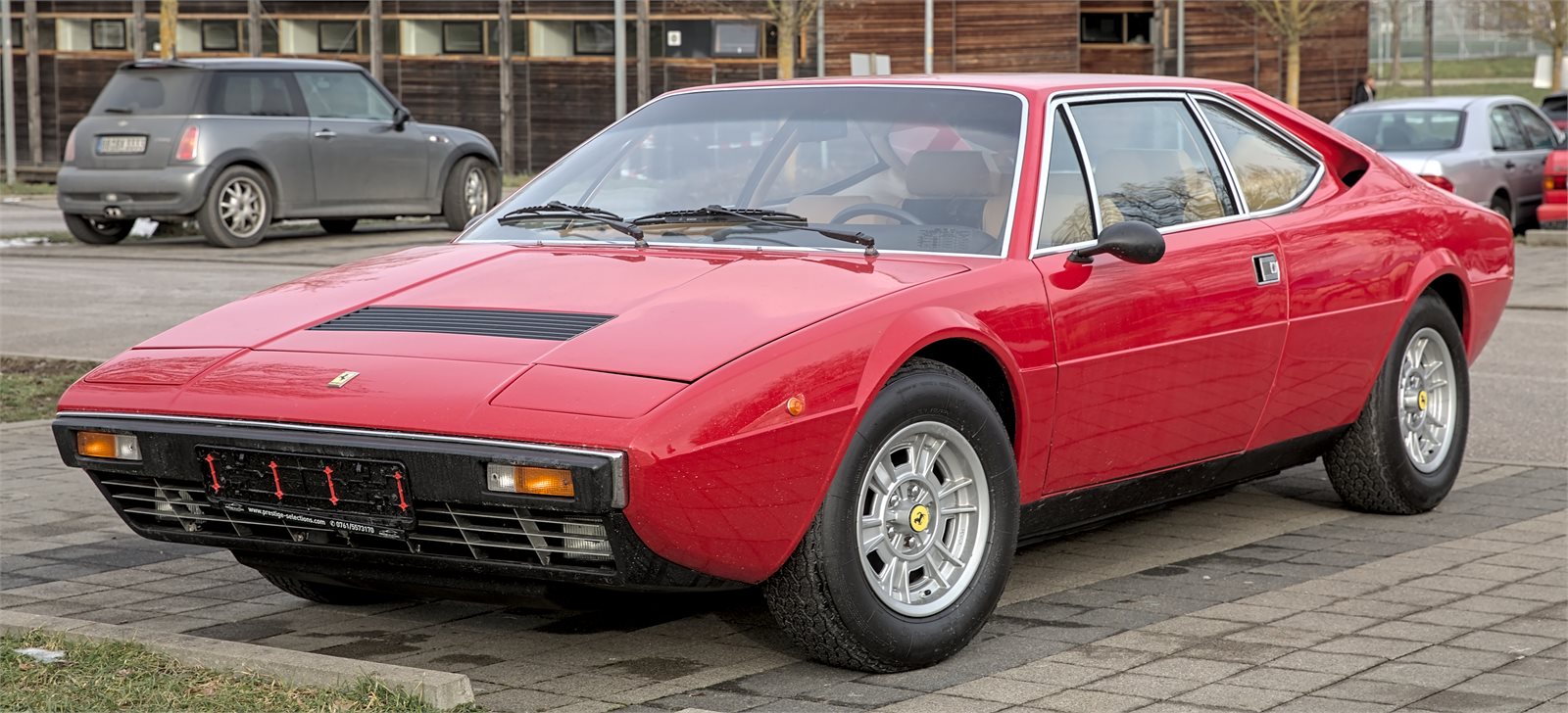
The mid-engined V8 Ferrari lineage started as a Dino with the 308 GT4, which would later wear a Ferrari badge after the end of the Dino brand experiment in 1976. The 308 GT4 was an interesting car in Ferrari’s history for a couple of reasons. It was the only Ferrari designed by Bertone. Ferraris were primarily designed by Pininfarina, until 2017 when the F12 was discontinued. The 308 GT4 also had a unique layout, with a transverse, mid-mounted V8 behind a 2+2 seating arrangement. The Mondial was the successor to that particular layout.
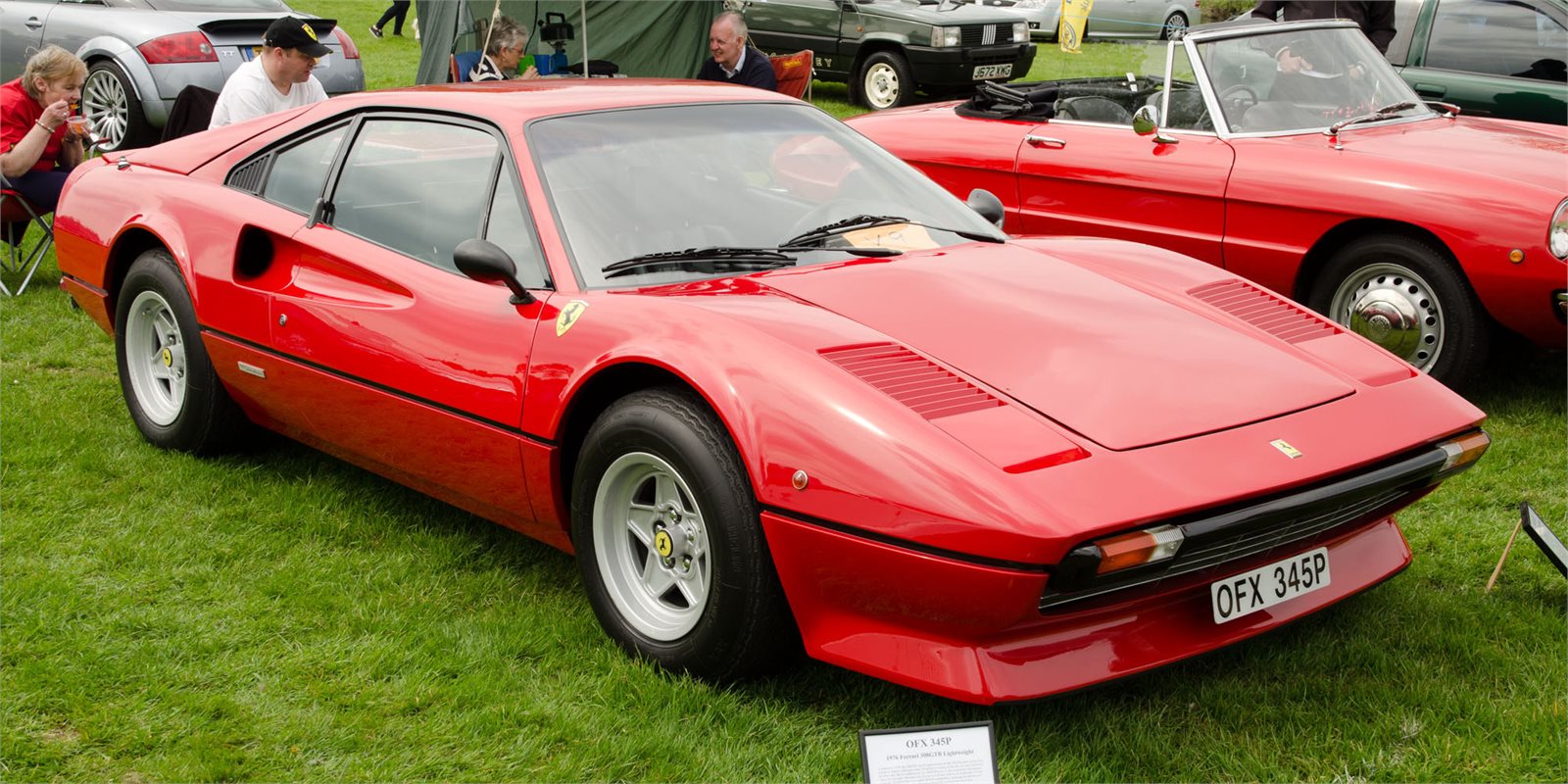
The 308 GT4 was succeeded by the 308 GTB and GTS, which gained notoriety through the Magnum P.I. TV show. It features the traditional Ferrari sportscar tropes we know today; 2 seats, wedge design, mid engine, and boisterous Italian style. The 308 GTB/S is perhaps the most iconic of the bloodline. It also had a variety of technological advancements including disk brakes and independent suspension on all four corners, a fully synchromesh dogleg transmission with a limited slip differential. European versions had a dry-sump oil system for its 7,700 RPM V8.
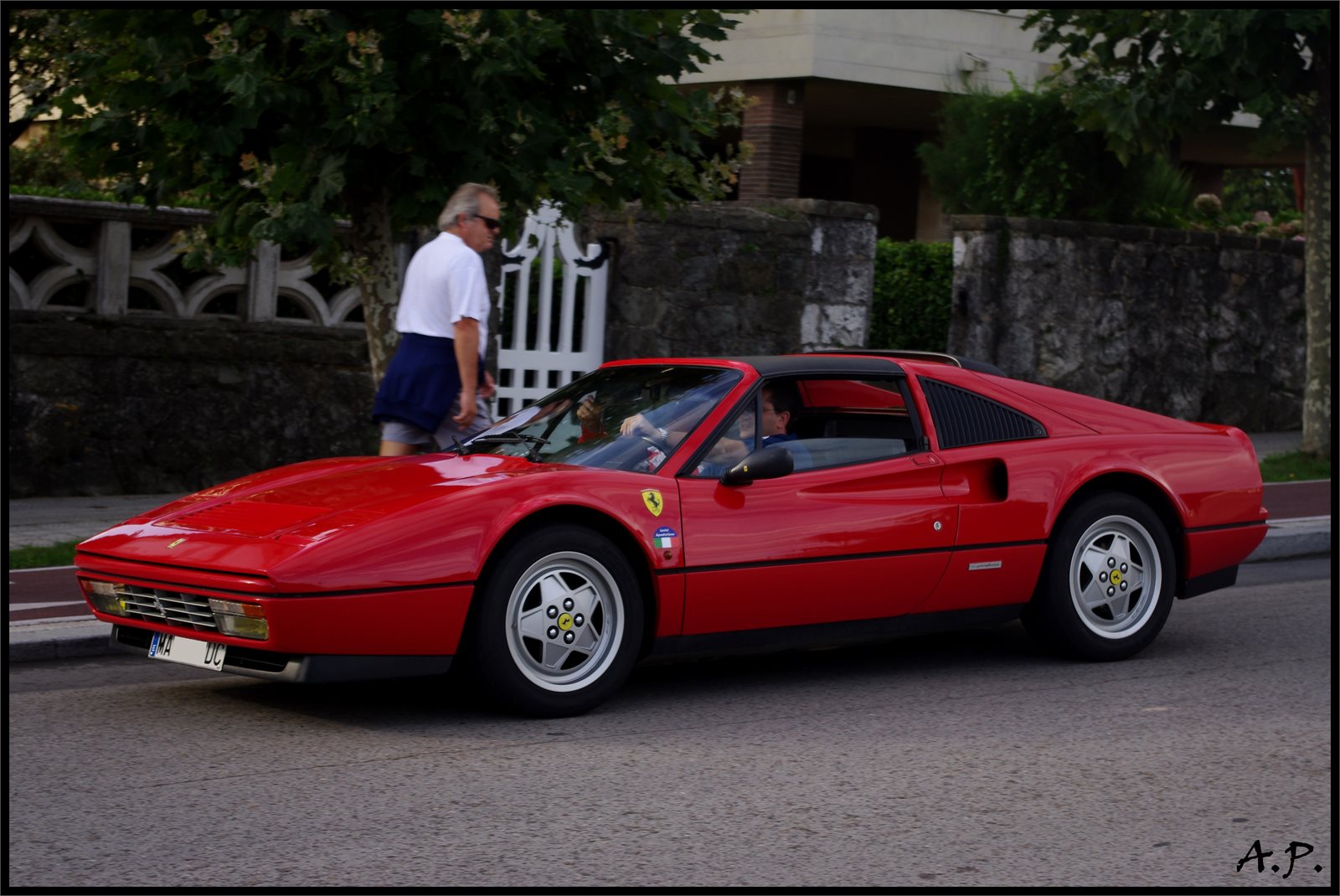
Succeeding the 308 was the 328, which can be characterized as an evolution as opposed to a whole new car. The cars shared mechanicals and design, but with updates. The body lines were smoothed out from the sharp 70’s design, and the engine was bored out to 3.2 liters resulting in more power. The suspension geometry got a slight update to reign in its behavior, and got anti-lock brakes near the end of its run in 1988.
As the 1990’s approached, so did a new V8 Ferrari. The 348ts/tb was fundamentally different from the 308/328 that came before, primarily because it featured a longitudinally-mounted 3.4 liter V8 (carrying on the engine size nomenclature) connected to a transaxle transmission. Its design was inspired by the iconic Testarossa, as the 348 gained strakes in the doors. Details were also derived from the F40, which was the fastest road car in the world at the time. The 348 got an update in 1993 replacing the ts and tb models with GTS and GTB models respectively. This update came with revised styling, engine configuration and tuning, and gear ratio adjustments.
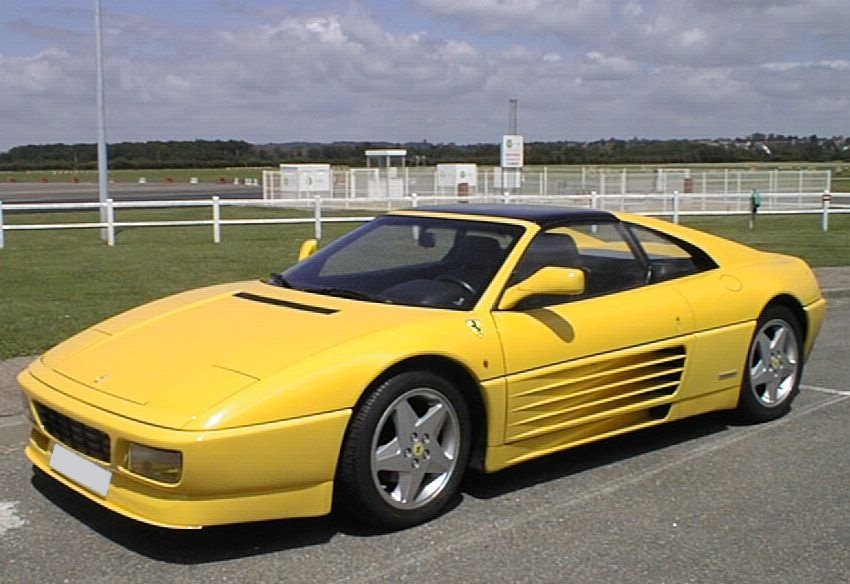
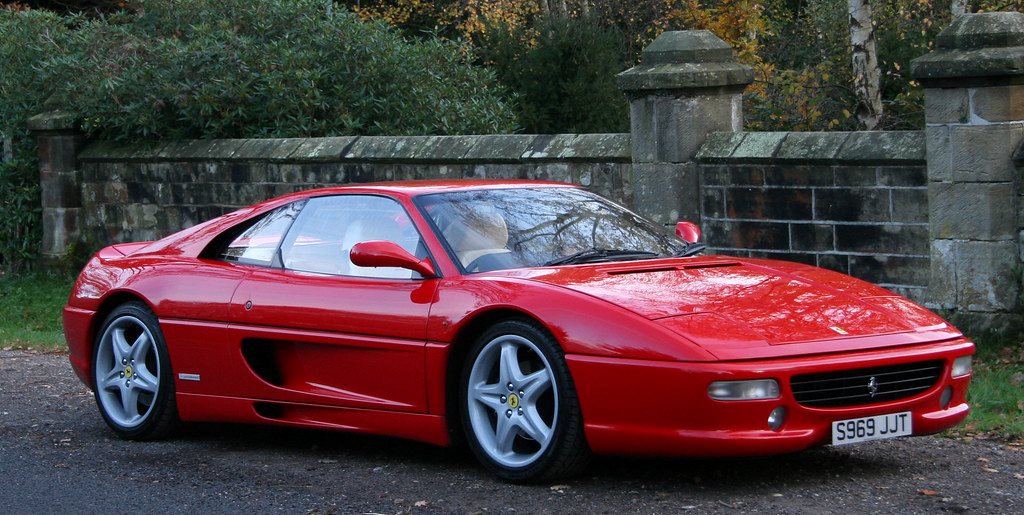
Following tradition, the F355 was a heavy revision of the 348, just as the 328 was a revision of the 308. The emphasis for Ferrari was on performance and usability. Featuring a new 5-valve cylinder head, the now 3.5 liter V8 (up from 3.4 liters) now produced 375 horsepower. The body was sculpted from 1,300 hours of wind tunnel time, resulting in a body and floor that produced downforce. Drivability upgrades included replacing the shift linkage with rods instead of cables, cockpit-adjustable dampers and the option of an automated manual paddle-shift transmission, dubbed the F1.
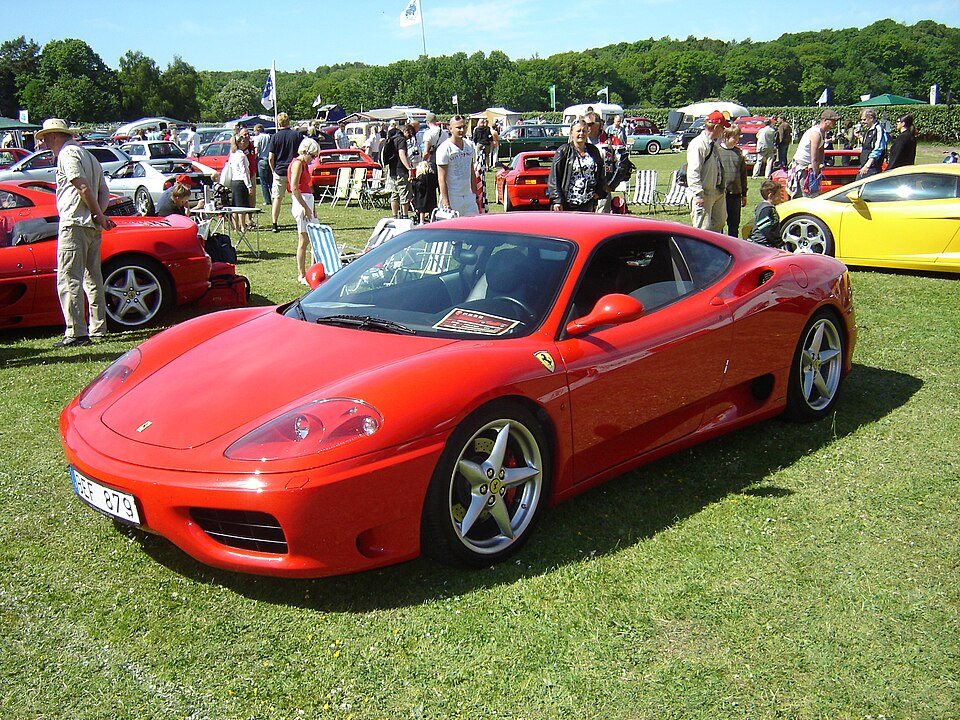
The turn of the century saw the introduction of the all-new Ferrari 360 Modena, featuring a spaceframe chassis that saw significant stiffness improvements, a new 3.6 liter V8 and a “clean slate” design, finally deviating from an evolution of the 308 and losing pop-up headlights. Its shoulder line intakes intend to remind viewers of the Dino 206 GT, the first car in this lineage. The F1 single clutch returned with improvements, and was sold in coupe and spider variants (like its predecessors) but added the high-performance Challenge Stradale variant.
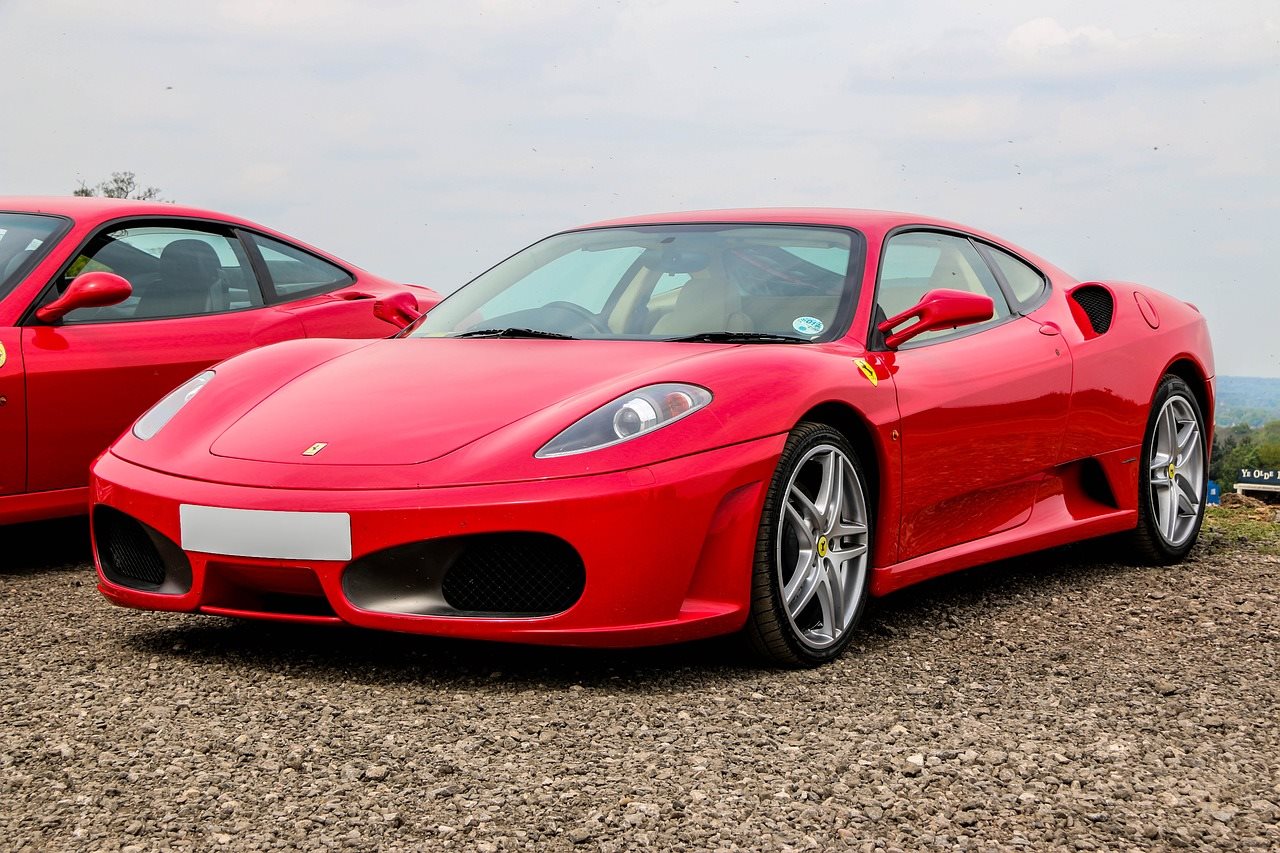
The Ferrari development strategy did not deviate; the F430, released in 2004, was an evolution of the 360 using the same chassis with upgraded aerodynamics just like the F355 was to the 348, and the 328 was to the 308. The biggest change was the engine. The V8’s that preceded the F430 were all upgraded variants of the Dino engine program which began in the 1950’s. Instead, the all-new 4.3 liter V8 used architecture from Formula One, which Ferrari had just utterly dominated in. Many systems were added, upgraded and tuned resulting in a much more modern car than the 360, including a more modern interior featuring the now iconic “Manettino” knob for controlling the car’s systems. The F430 would be the last mid-engined Ferrari fitted with a manual transmission from the factory.
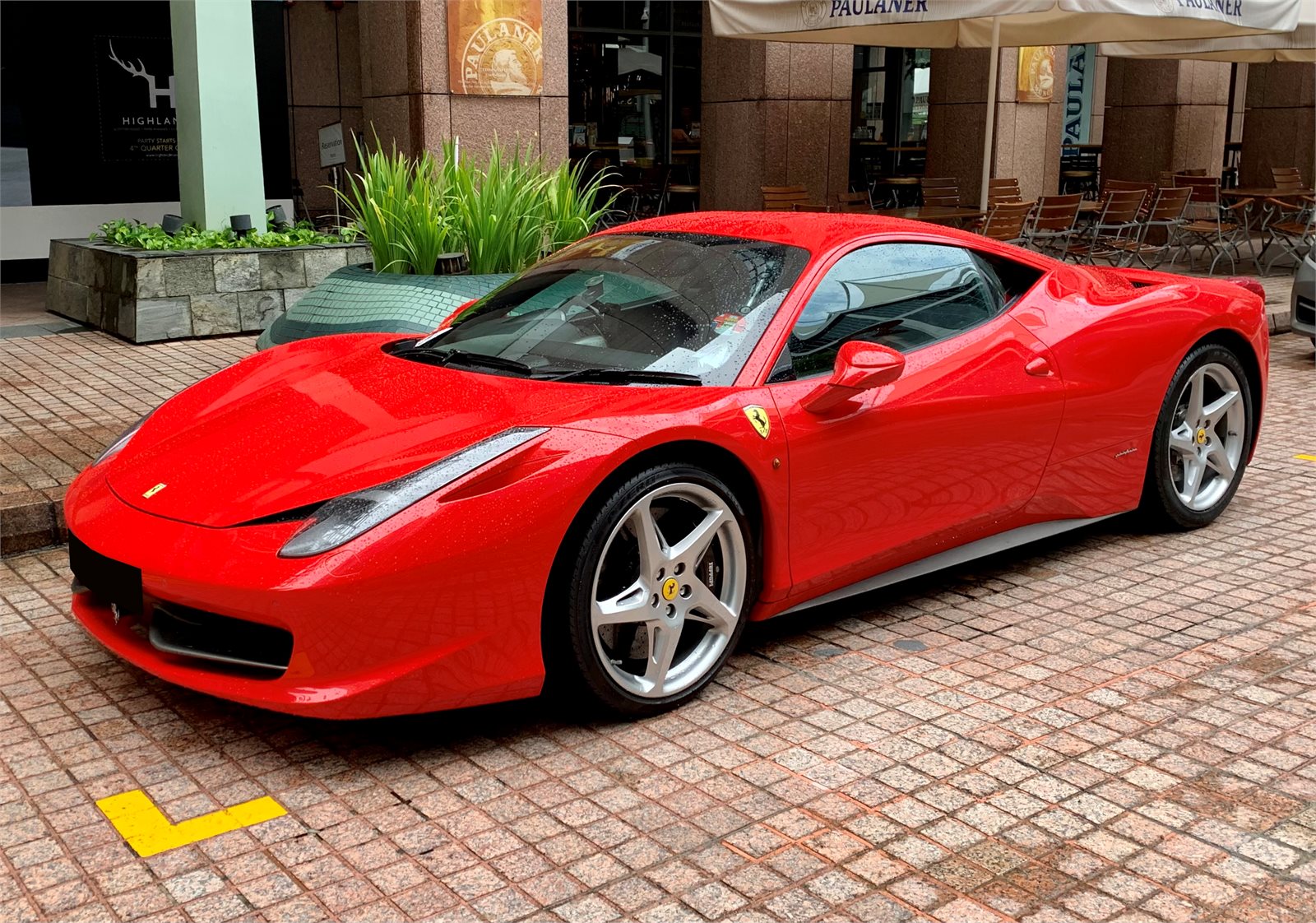
2009 saw a profoundly new car that changed the direction of the brand: The 458 Italia. Incorporating Formula One technology, an all-new 4.5 liter engine, 7-speed dual clutch transmission, direct injection, and a laundry list of more technological improvements, the 458 defined the brand’s design language and set the bar for all supercars to follow. The racing variant saw wide success across the world and paved the way for the beloved 458 Speciale, which many argue is the best car Ferrari has ever made.
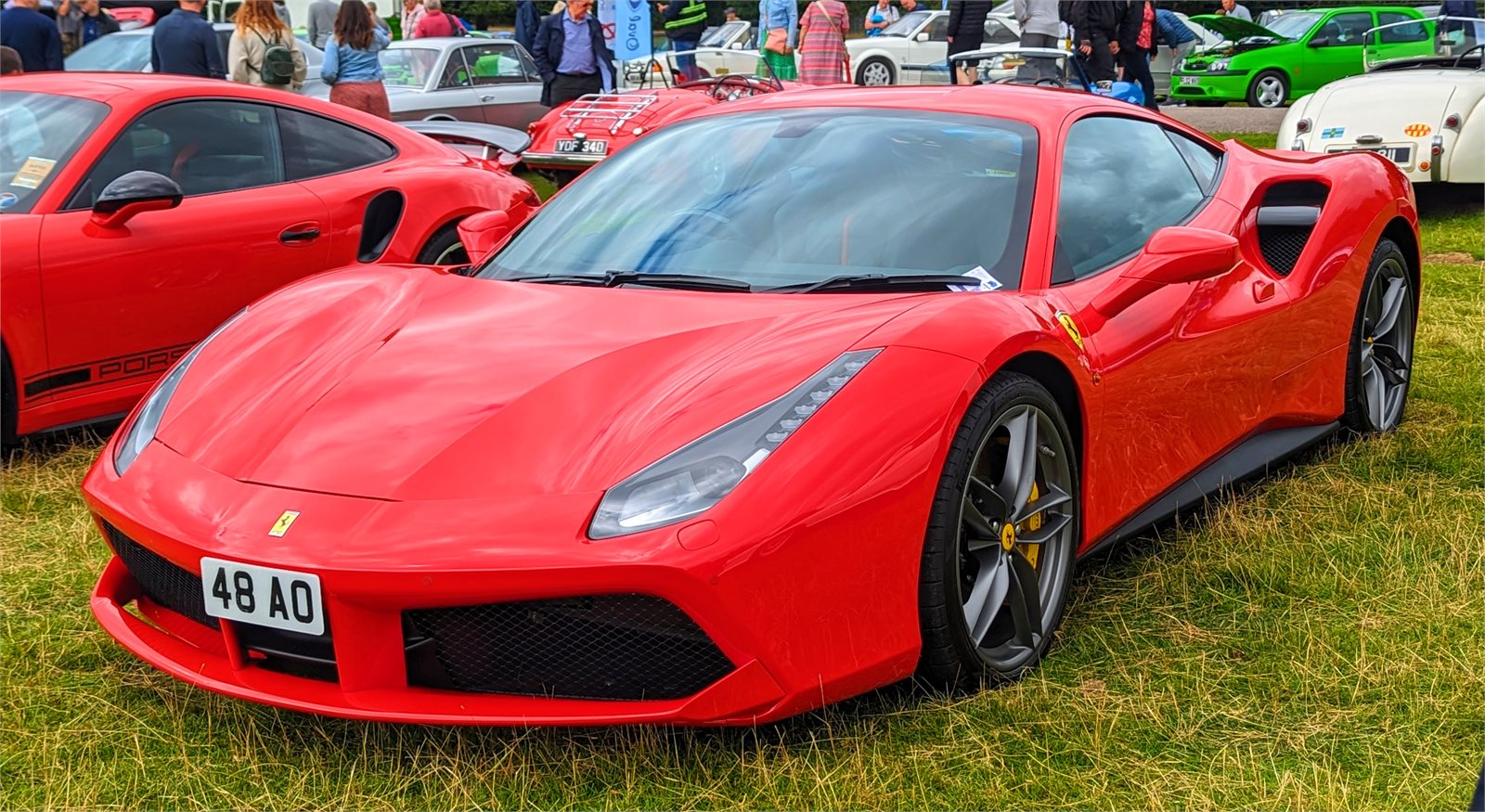
For the first time ever, the mid-engine Ferrari became twin turbocharged; the first Ferrari to be as such since the F40. The power climbed from 562 horsepower to 661 horsepower, and later 710 in the hardcore Pista variant. As is the case with evolution Ferraris, changes were brought to the body to decrease drag and increase downforce. Its scalloped intakes along the quarter panel intend to pay homage to the 308 GTB, serving to improve the aerodynamics and provide cooling for the turbochargers. Its design is award winning, as the now-Manzoni (and no longer Pininfarina design) won the Red Dot “Best of the Best” awards for Product Design in 2016.
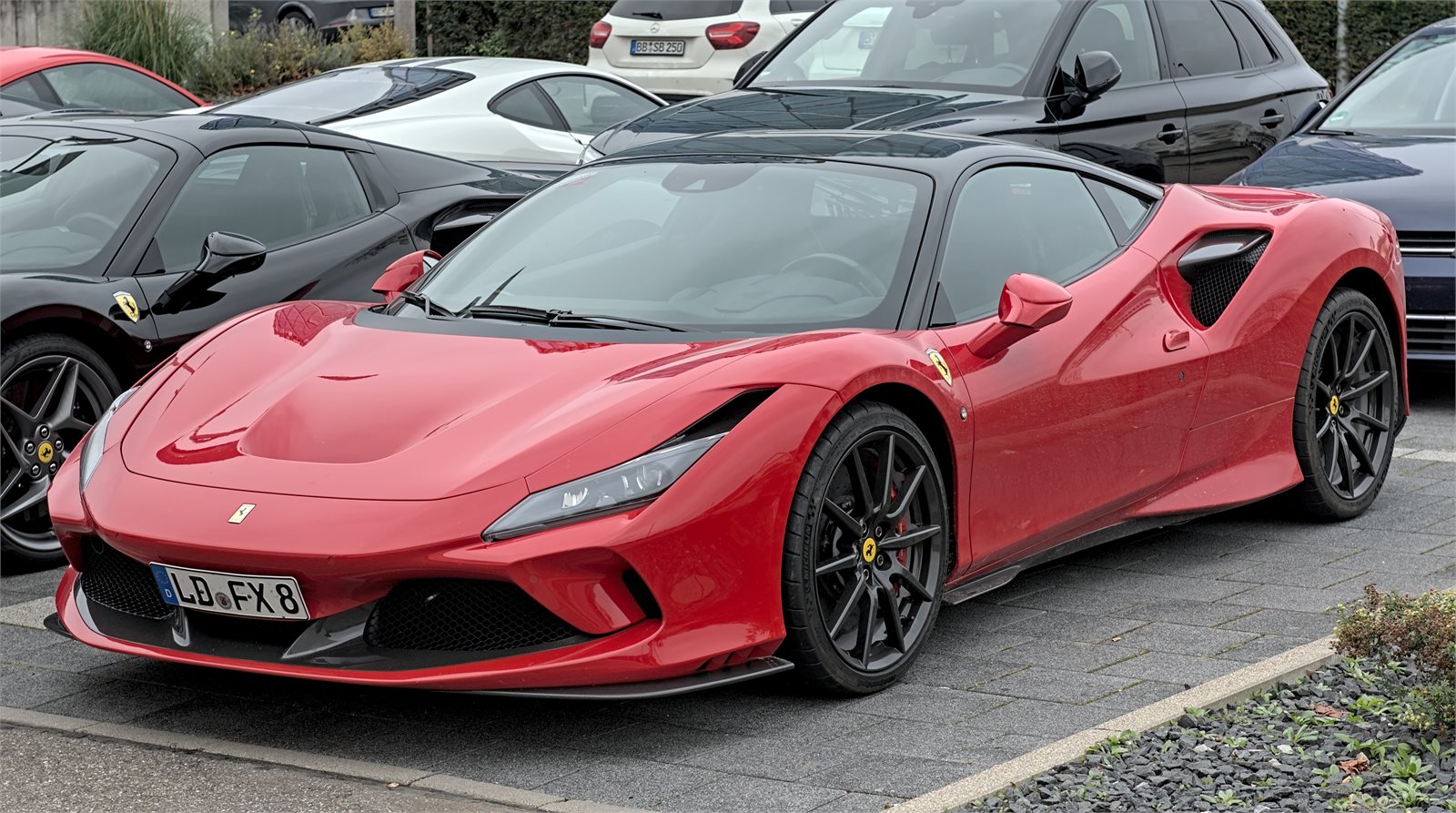
Deviating from the 2-chassis cycle, the F8 Tributo is the third evolution of the 458 family, intending to pay tribute to the past 45 years of Ferrari V8’s on its release in 2019. Its design features quad taillights, last seen on the F430, as well as styling changes and aerodynamic improvements. The F8 got more power and software changes from the 488 Challenge and Pista, but was not a large improvement from the 488.
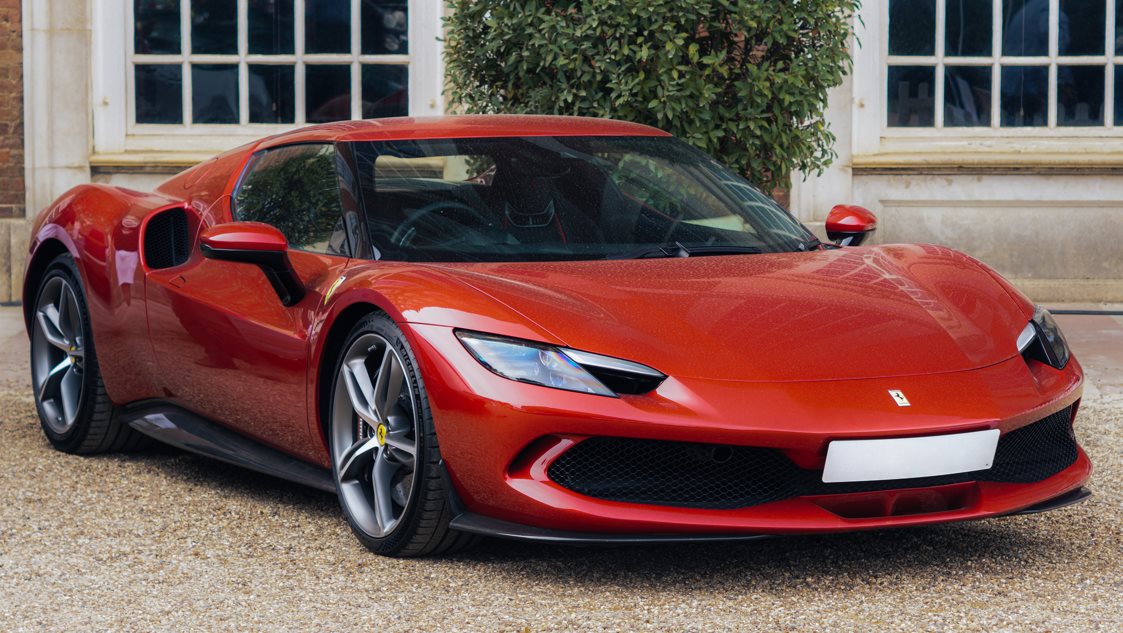
Currently, the mid-engine offering by Ferrari is the hybrid, twin-turbocharged V6-powered 296, ending the reign of the mid-engined V8 sportscar from Ferrari. Its all new design harks back to the Le Mans-winning 250 LM, and finally deviates from the era-defining 458 looks. Its V6 was initially met with hostility, but its design resulted in development for the Le Mans-winning 499P and garnered the nickname “baby V12” due to its sound at 9,000 RPM. As is the case with its predecessors, the 296 is offered in a coupe and spider variant, as well as the return of the Speciale nomenclature and variant. The 296 GT3 has had a successful campaign worldwide, and has received an Evo upgrade package.
Ultimately, the V6 belongs as much as the V8. The lineage started with a V6 after all. The mid-engined Ferrari bloodline is a fierce constant that has terrorized its competition both on the road and on bedroom walls. Ferrari wants to define itself with its “supercar” lineage, but the one you will actually see, the mid-engined bloodline, is how Ferrari is defined by the people. For decades, this lineage has been the foray into the Ferrari experience, intoxicating generations with the Ferrari magic.